
Market: North Carolina · Accepting applications
Plumbing, electrical and HVAC licensing in North Carolina
Who regulates each trade in North Carolina, what a business needs to work legally and how to check a license, summarized from official sources. The Partner Program is accepting applications from founding partners in North Carolina.
No partners in North Carolina yet. Made For Builders is not a contractor and does not perform, supervise or guarantee any work.
Official sources checked on
- Plumbing, HVAC and fuel piping: State Board of Examiners of Plumbing, Heating and Fire Sprinkler Contractors
- Electrical: State Board of Examiners of Electrical Contractors
- Refrigerant handling: EPA Section 608 certification
Regulators
Who regulates plumbing, electrical and HVAC work in North Carolina
North Carolina splits licensing between two boards. The State Board of Examiners of Plumbing, Heating and Fire Sprinkler Contractors licenses plumbing, HVAC, fuel gas piping and fire sprinkler work. The State Board of Examiners of Electrical Contractors administers and regulates electrical contracting under General Statutes Chapter 87, Article 4.
| Trade | Regulator | What the business needs | Check a license |
|---|---|---|---|
| Plumbing | Plumbing, Heating and Fire Sprinkler board | P-I (any building) or P-II (single-family detached dwellings only) plumbing contractor license. | Board license search |
| Electrical | Electrical Contractors board | Limited, Intermediate or Unlimited license by project value, or a Special Restricted license. | License search |
| HVAC | Plumbing, Heating and Fire Sprinkler board | Heating Group 1 (water-based), Group 2 (forced air over 15 tons) or Group 3 (forced air of 15 tons or less). | Board license search |
| Refrigerant handling | US EPA | Section 608 certification for technicians working on equipment that could release ozone-depleting refrigerants. | Ask the technician for proof of Section 608 certification. |
Plumbing
Plumbing in North Carolina
The P-I (Plumbing Class I) contractor license covers potable water and drain, waste and vent piping systems in any building, while P-II covers the same work in single-family detached dwellings only. The board's applicant information lists two years (4,000 hours) of full-time plumbing or heating work for these contractor licenses.
- P-I Plumbing Class I: potable water and drain/waste/vent piping in any building (residential, commercial, industrial).
- P-II Plumbing Class II: the same work in single-family detached dwellings only.
- Limited licenses: Restricted Limited Plumbing (exterior sewer and water service piping, backflow preventers and water filtration within stated sizes) and Limited Plumbing Water Heater Replacement (same-location replacement in single-family detached dwellings).
- Fuel piping: fuel piping privileges are included in the Plumbing and Heating Group 1, 2 and 3 licenses; a separate Fuel Piping contractor license also exists.
- Experience: 2 years (4,000 hours) of full-time plumbing or heating work for a plumbing or heating contractor license, with up to half from approved training.
- Check a license: the board runs a public license search.
Electrical
Electrical work in North Carolina
North Carolina's electrical contractor licenses are graded by project value. A Limited license covers a single electrical contracting project of up to $60,000, Intermediate up to $150,000 and Unlimited any value. Seven Special Restricted licenses, including Residential Dwelling (SP-SFD), cover only a limited phase of electrical contracting.
- Limited (L): a single project of a value not over $60,000; installations rated no higher than 600 volts.
- Intermediate (I): a single project of a value not over $150,000.
- Unlimited (U): any electrical contracting project regardless of value.
- Special Restricted: Residential Dwelling (SP-SFD), Fire Alarm/Low-Voltage (SP-FA/LV), Plumbing, Heating and Air Conditioning (SP-PH), Swimming Pool (SP-SP), Groundwater Pump (SP-WP), Electric Sign (SP-ES) and Elevator (SP-EL).
- Regulator: the State Board of Examiners of Electrical Contractors reviews applications, administers examinations, issues licenses and regulates people engaging in electrical contracting.
HVAC
HVAC in North Carolina
HVAC in North Carolina is licensed by Heating Group. Group 3 covers forced air heating and cooling systems of 15 tons or less (Class I in any building, Class II in single-family detached dwellings only), Group 2 covers forced air systems above 15 tons, and Group 1 covers wet or water-based comfort heating.
- H3-I and H3-II (Heating Group 3): forced air heating/cooling of 15 tons or less; Class I in any building, Class II in single-family detached dwellings only.
- H2 (Heating Group 2): forced air heating/cooling with cooling capacity over 15 tons, in any building.
- H1-I and H1-II (Heating Group 1): wet or water-based comfort heating; Class II limited to single-family detached dwellings.
- Electrical incident to HVAC: the SP-PH license, issued by the State Board of Examiners of Electrical Contractors, allows limited electrical work incident to plumbing, heating and air conditioning work.
- EPA Section 608: technicians who maintain, service, repair or dispose of equipment that could release ozone-depleting refrigerants must be certified by the US EPA. Certification types include Type 1 (small appliances), Type 2 (high-pressure) and Type 3 (low-pressure).
Partner Program
How the Partner Program works in North Carolina
The Partner Program is accepting applications from founding partners in North Carolina. We have no partners there yet. Before a brand goes live, we check that your business holds the North Carolina license required for the work it will take, carries insurance and can cover the ZIP codes we agree in writing.
- You hold every license the relevant North Carolina board requires for the work you take on, and you keep it current.
- Your license number is shown on the brand's website where required: [Partner license #]
- Permits, inspections and code compliance on each job are your responsibility as the licensed contractor.
- You quote, do the work and invoice the homeowner directly.
- You pay commission only on closed jobs: see how commission works.
Made For Builders is not a contractor
Made For Builders is not a plumbing, electrical or HVAC contractor and does not perform, supervise or guarantee any work. Partners work under their own license and insurance. This page summarizes official sources for orientation; it is not legal advice.
Trades
The trades we recruit partners for
Electricians
Troubleshooting, panels, lighting and rewiring, through a licensed electrical contractor.
Electricians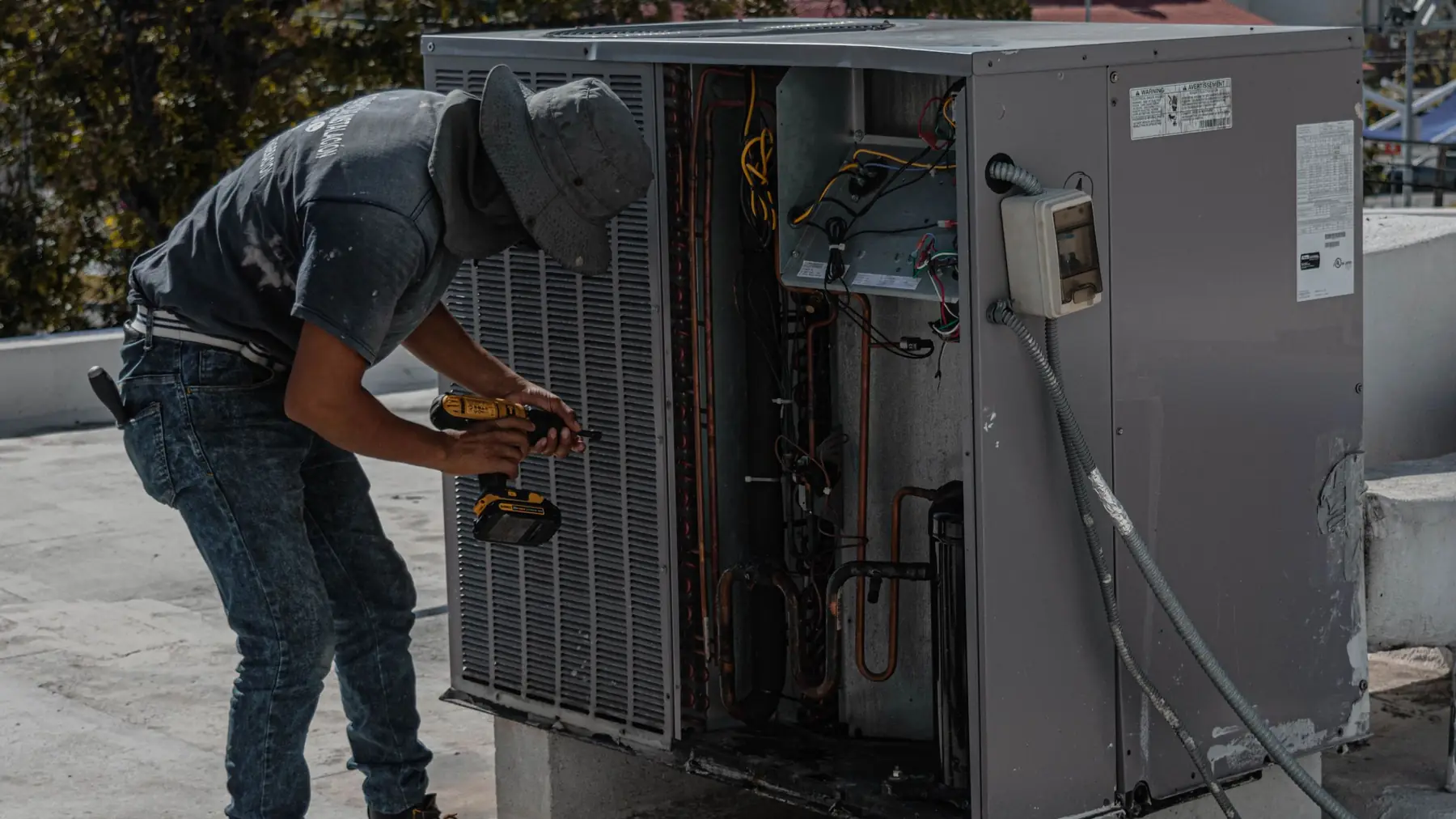
HVAC contractors
AC, heating and heat pump service and replacement, under your HVAC license.
HVAC contractors
Other markets
Licensing summaries for every state where we are recruiting founding partners.
All markets
Licensing guides
Licensing guides that cover North Carolina
HVAC license
How HVAC licensing works in North Carolina and the other states we recruit in, with official sources.
HVAC license guide
Plumbing license
Plumbing license levels, experience and exams in North Carolina and the other states we recruit in.
Plumbing license guide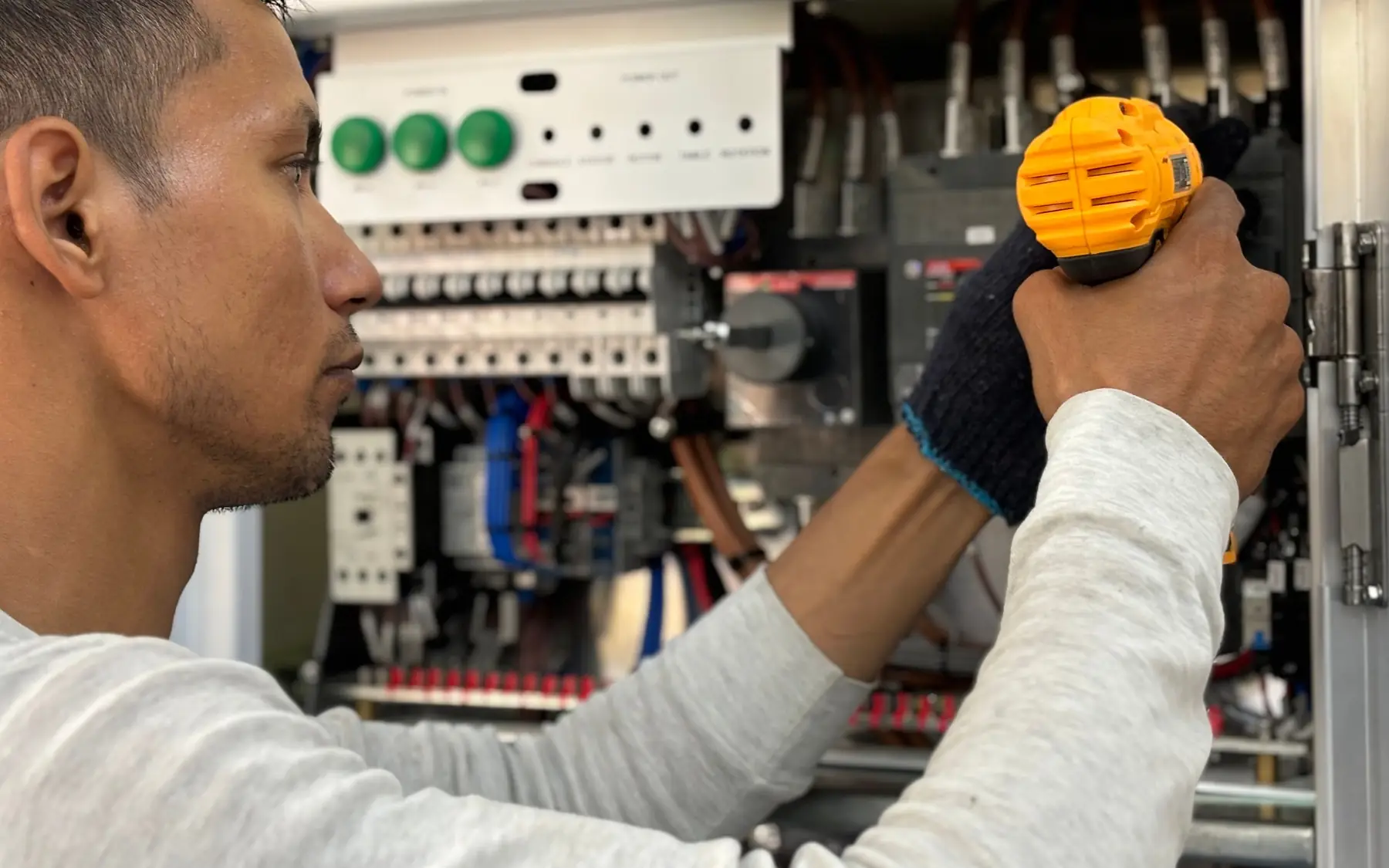
Electrical contractors license
Who licenses electrical contracting in North Carolina and the other states we recruit in.
Electrical contractors guide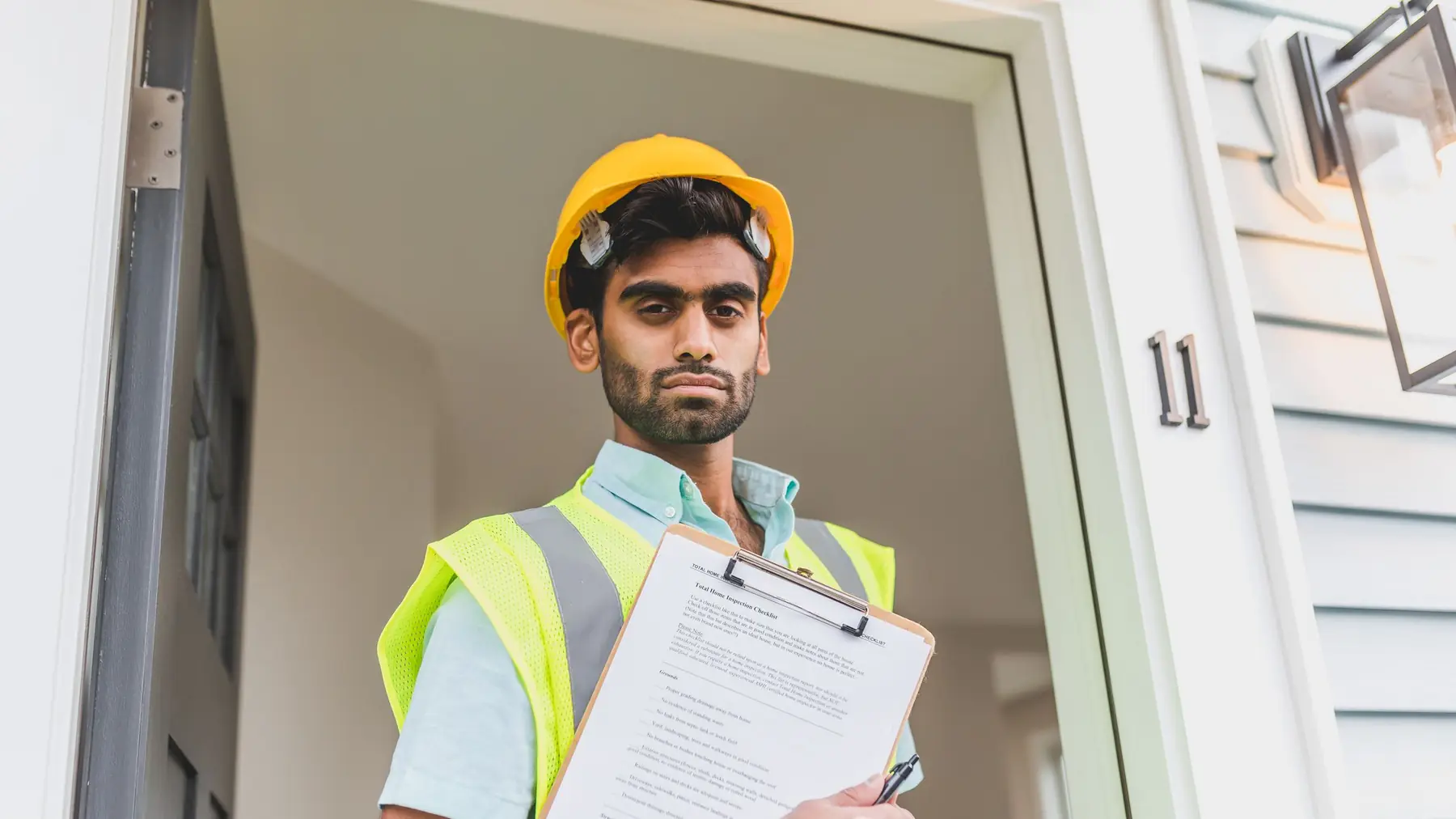
All licensing guides
Every licensing guide for plumbers, electricians and HVAC contractors.
Licensing guides
Licensing guides
Licensing guides for North Carolina
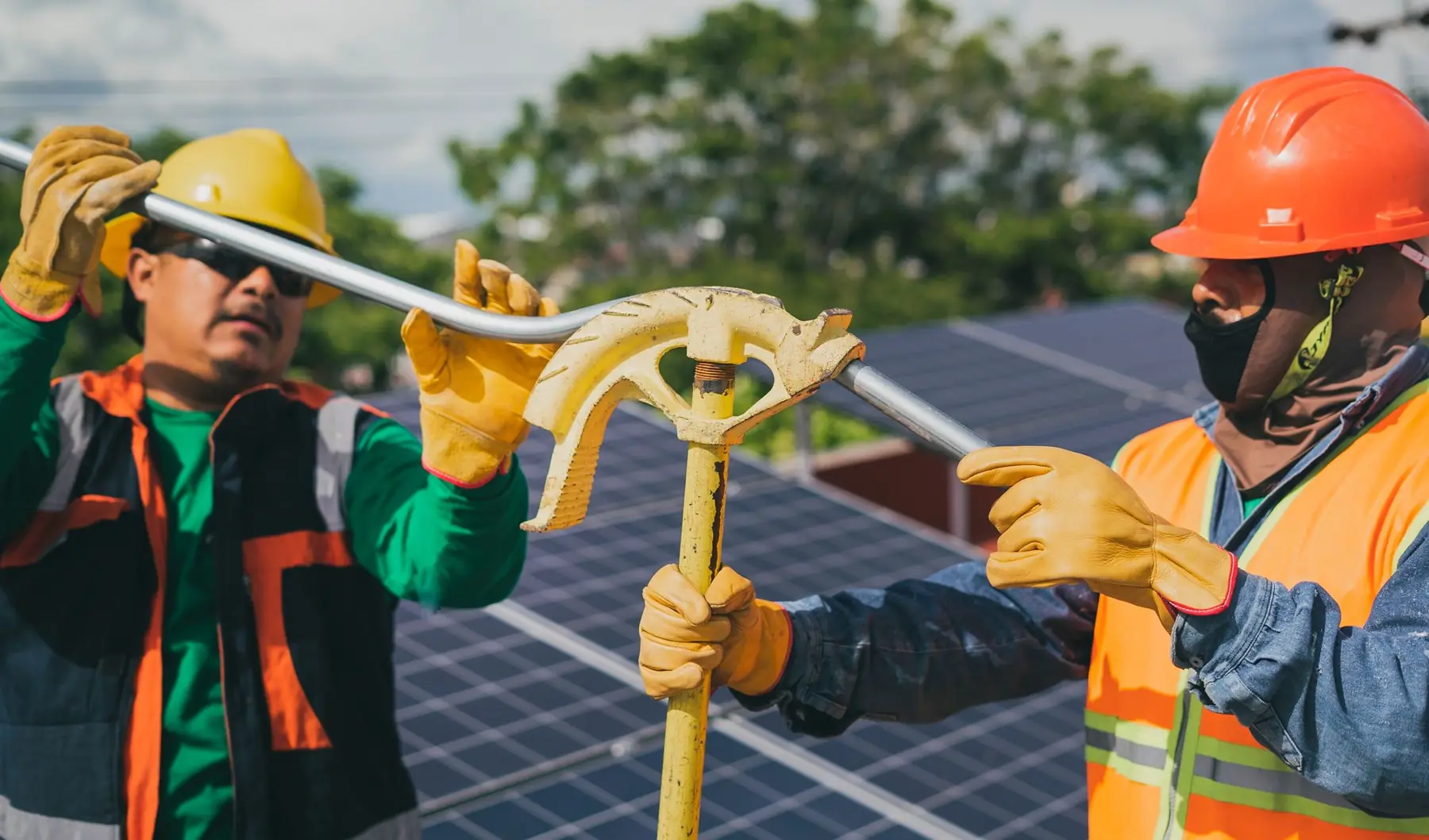
NC electrical license
How to get a North Carolina electrical contractor license: Limited, Intermediate and Unlimited classes, experience hours, the $125 exam, fees and renewal.
Read the guide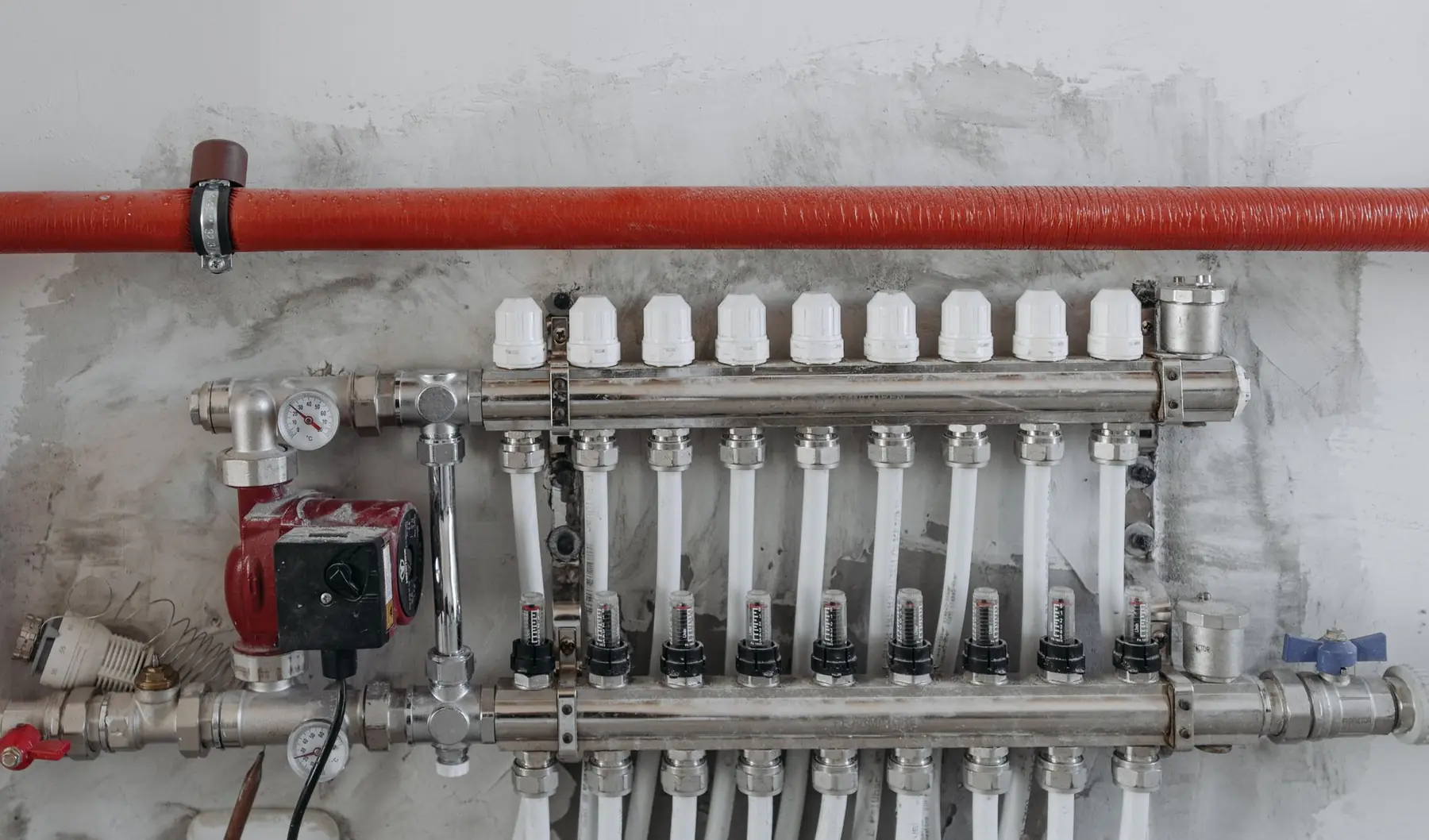
NC plumbing license
How to get a North Carolina plumbing license: P-I and P-II contractor classes, 4,000 hours of experience, the $150 exam fee, renewal and reciprocity.
Read the guide
Sources
Official sources
Sources for North Carolina
- NC State Board of Examiners of Plumbing, Heating and Fire Sprinkler Contractors: home (opens in a new tab)Accessed
- NC Plumbing, Heating and Fire Sprinkler board: Applicant Information (opens in a new tab)Accessed
- NC Plumbing, Heating and Fire Sprinkler board: License Definitions - Contractor (PDF) (opens in a new tab)Accessed
- NC State Board of Examiners of Electrical Contractors: Board Information (opens in a new tab)Accessed
- NC State Board of Examiners of Electrical Contractors: Licensing (opens in a new tab)Accessed
- US EPA: Section 608 Technician Certification (opens in a new tab)Accessed
Apply as a founding partner in North Carolina
No monthly fee. No pay-per-lead. Commission on closed jobs only.
Last reviewed: