
Market: Florida · Accepting applications
Plumbing, electrical and HVAC licensing in Florida
Who regulates each trade in Florida, what a business needs to work legally and how to check a license, summarized from official sources. The Partner Program is accepting applications from founding partners in Florida.
No partners in Florida yet. Made For Builders is not a contractor and does not perform, supervise or guarantee any work.
Official sources checked on
- Plumbing and air conditioning: Construction Industry Licensing Board (CILB)
- Electrical: Electrical Contractors' Licensing Board (ECLB)
- Both boards sit within the Department of Business and Professional Regulation (DBPR)
Regulators
Who regulates plumbing, electrical and HVAC work in Florida
In Florida, plumbing and air conditioning contractors are licensed by the Construction Industry Licensing Board (CILB), and electrical contractors by the Electrical Contractors' Licensing Board (ECLB). Both boards sit within the Department of Business and Professional Regulation (DBPR). State law says a person must be certified or registered to engage in the business of contracting.
| Trade | Regulator | What the business needs | Check a license |
|---|---|---|---|
| Plumbing | CILB (DBPR) | Plumbing Contractor license, either certified (statewide) or registered (only in the local jurisdictions where it was issued). | Use the regulator's online license search. |
| Electrical | ECLB (DBPR) | Electrical Contractor (certified) or Registered Electrical Contractor. Specialty and alarm system contractor licenses also exist. | Use the regulator's online license search. |
| Air conditioning and heating | CILB (DBPR) | Class A, Class B or Class C Air-Conditioning Contractor, or Mechanical Contractor. | Use the regulator's online license search. |
| Refrigerant handling | US EPA | Section 608 certification for technicians working on equipment that could release ozone-depleting refrigerants. | Ask the technician for proof of Section 608 certification. |
Plumbing
Plumbing in Florida
Florida law defines a plumbing contractor as a contractor whose services are unlimited in the plumbing trade, licensed through the CILB. A certified contractor holds a certificate of competency and may contract in any jurisdiction in the state. A registered contractor meets local competency requirements and may contract only in those jurisdictions.
- License required: "A person must be certified or registered in order to engage in the business of contracting in this state" (Florida Statutes, s. 489.113(2)).
- Certified (codes starting with C): certificate of competency issued by DBPR; may contract in any jurisdiction in Florida.
- Registered (codes starting with R): registered with DBPR after meeting the competency requirements of a local jurisdiction; may contract only there.
- Unlicensed contracts: contracts entered into by an unlicensed contractor are unenforceable by that contractor, and no lien or bond claim exists in their favor (s. 489.128).
- Insurance and permits: a local government may deny building permits to a contractor who fails or refuses to provide proof of public liability and property damage insurance (s. 489.113(4)(c)).
- Workers' compensation: the CILB points contractors to the Department of Financial Services' Construction Policy Tracking Database for coverage status.
Electrical
Electrical work in Florida
Electrical contractors in Florida are licensed by the Electrical Contractors' Licensing Board, within DBPR. A certified electrical contractor holds a certificate of competency issued by DBPR. A registered electrical contractor has registered with DBPR and may contract only in the jurisdictions where registered. Florida law prohibits contracting without certification or registration.
- License types: Electrical Contractor, Registered Electrical Contractor, Alarm System Contractor I and II (certified or registered), Registered Residential Alarm System Contractor, Specialty Contractor and Registered Specialty Contractor.
- Prohibition: s. 489.531(1)(a) prohibits practicing contracting unless the person is certified or registered.
- Scope: the ECLB publishes a "Know Your Scope" chart for its license types.
- Business information: the ECLB lists business information requirements and acceptable credit reporting agencies for applicants.
HVAC
Air conditioning and HVAC in Florida
Florida licenses air conditioning contractors through the CILB in three classes. Class A's services are unlimited in the execution of contracts, Class B's are limited to 25 tons of cooling, and Class C's business is limited to the servicing of air-conditioning. Mechanical Contractor is a separate license category. Refrigerant work also needs EPA Section 608 certification.
- Class A Air-Conditioning Contractor: services unlimited in the execution of contracts (s. 489.105).
- Class B Air-Conditioning Contractor: services limited to 25 tons of cooling.
- Class C Air-Conditioning Contractor: business limited to the servicing of air-conditioning.
- Mechanical Contractor: a separate CILB license category.
- Certified or registered: the same statewide (C) and local (R) distinction applies.
- EPA Section 608: technicians who maintain, service, repair or dispose of equipment that could release ozone-depleting refrigerants must be certified by the US EPA. Certification types include Type 1 (small appliances), Type 2 (high-pressure) and Type 3 (low-pressure).
Partner Program
How the Partner Program works in Florida
The Partner Program is accepting applications from founding partners in Florida. We have no partners there yet. Before a brand goes live, we check that your business holds the Florida license required for the work it will take, carries insurance and can cover the ZIP codes we agree in writing.
- You hold every license the CILB or the ECLB requires for the work you take on, and you keep it current.
- Your license number is shown on the brand's website where required: [Partner license #]
- Permits, inspections and code compliance on each job are your responsibility as the licensed contractor.
- You quote, do the work and invoice the homeowner directly.
- You pay commission only on closed jobs: see how commission works.
Made For Builders is not a contractor
Made For Builders is not a plumbing, electrical or HVAC contractor and does not perform, supervise or guarantee any work. Partners work under their own license and insurance. This page summarizes official sources for orientation; it is not legal advice.
Trades
The trades we recruit partners for
Electricians
Troubleshooting, panels, lighting and rewiring, through a licensed electrical contractor.
Electricians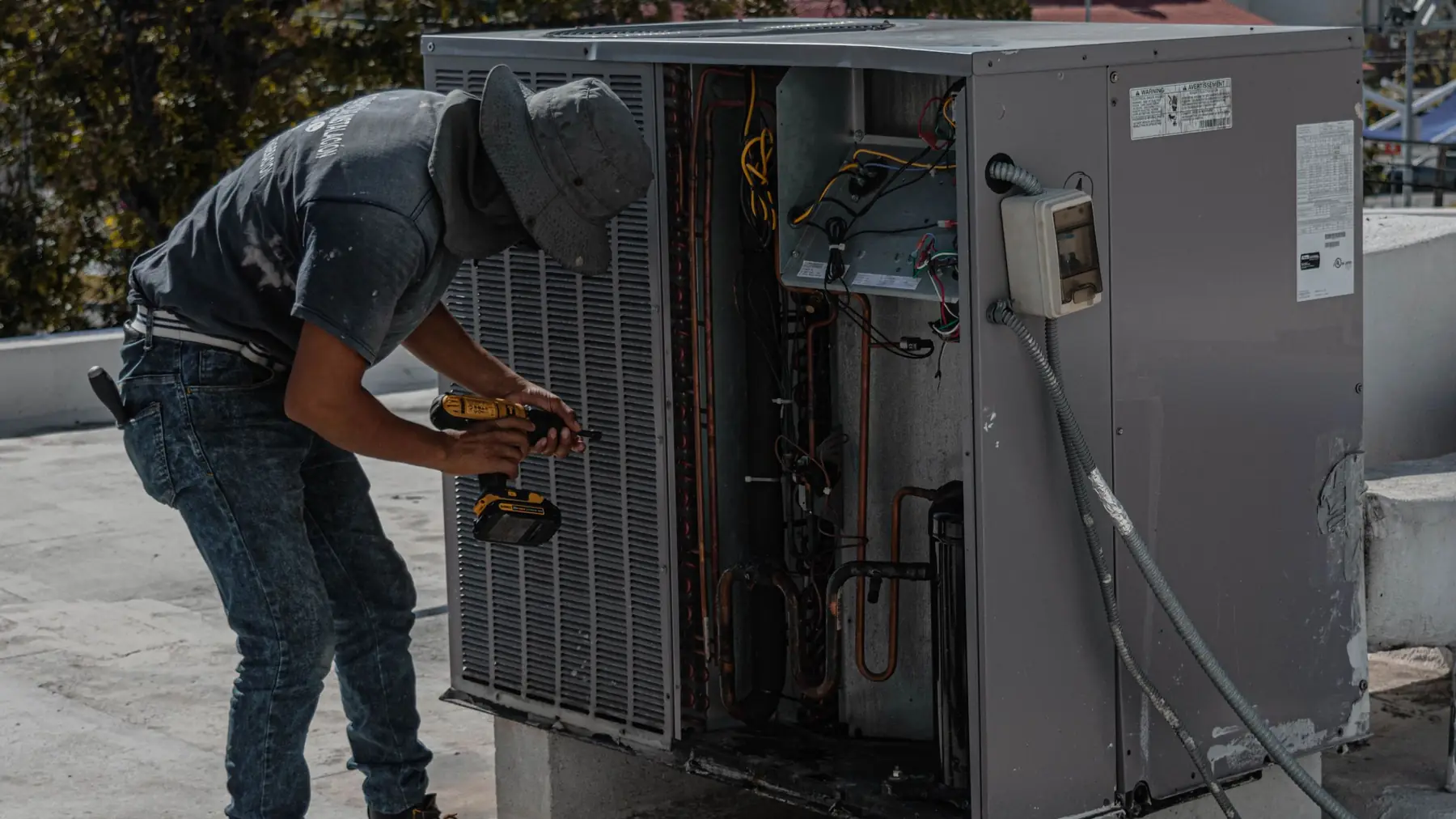
HVAC contractors
AC, heating and heat pump service and replacement, under your HVAC license.
HVAC contractors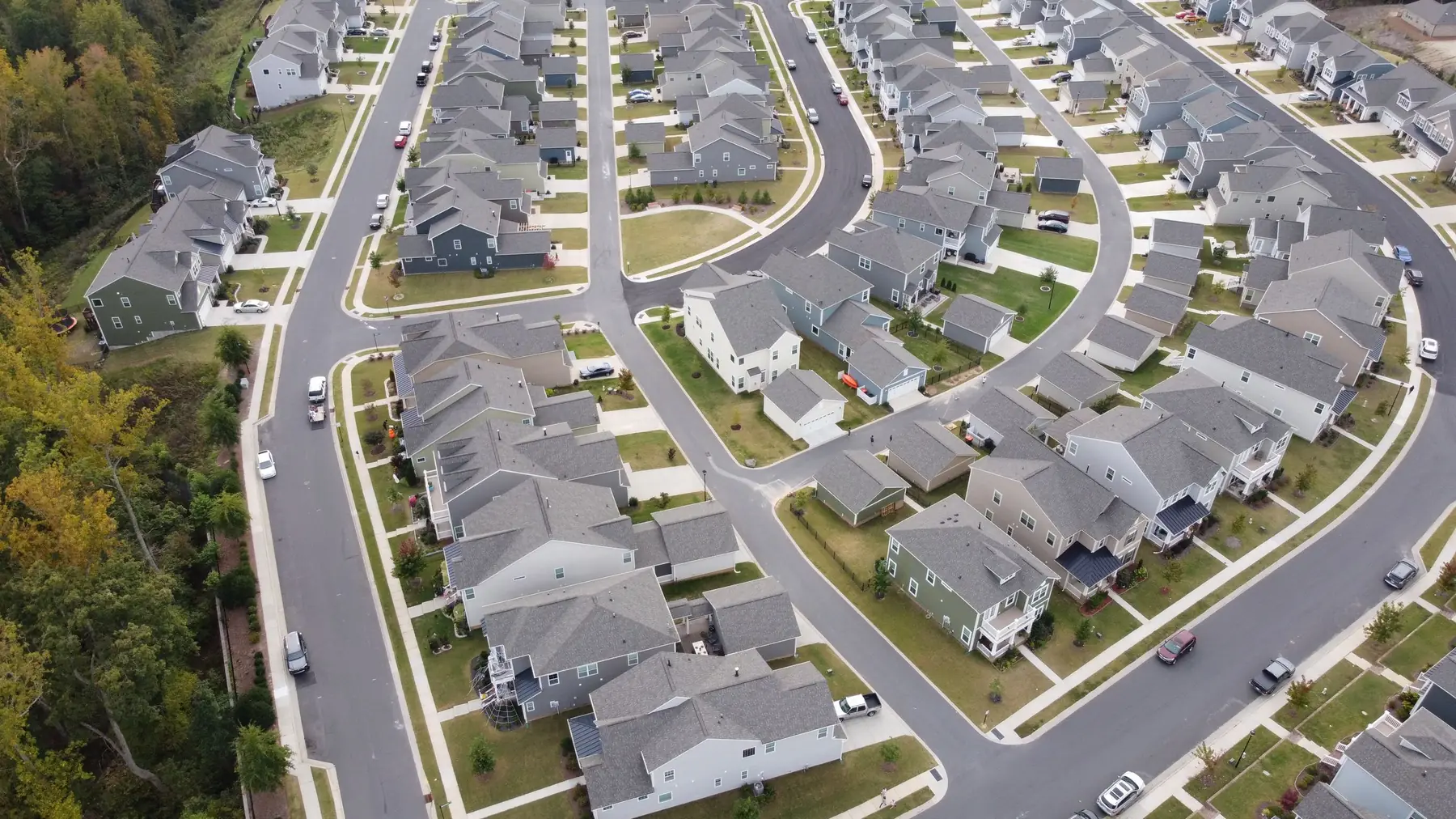
Other markets
Licensing summaries for every state where we are recruiting founding partners.
All markets
Licensing guides
Licensing guides that cover Florida
HVAC license
How HVAC licensing works in Florida and the other states we recruit in, with official sources.
HVAC license guide
Plumbing license
Plumbing license levels, experience and exams in Florida and the other states we recruit in.
Plumbing license guide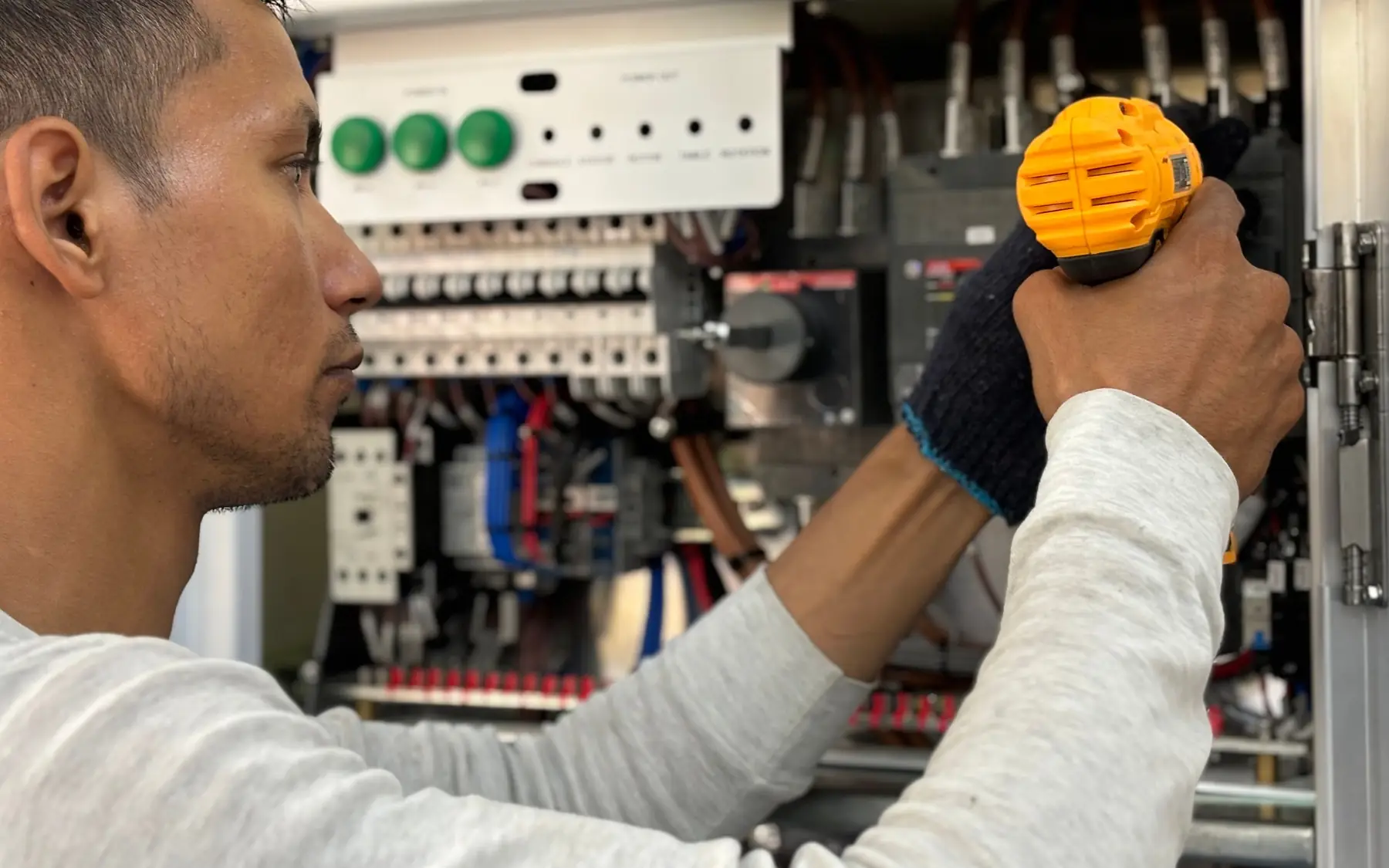
Electrical contractors license
Who licenses electrical contracting in Florida and the other states we recruit in.
Electrical contractors guide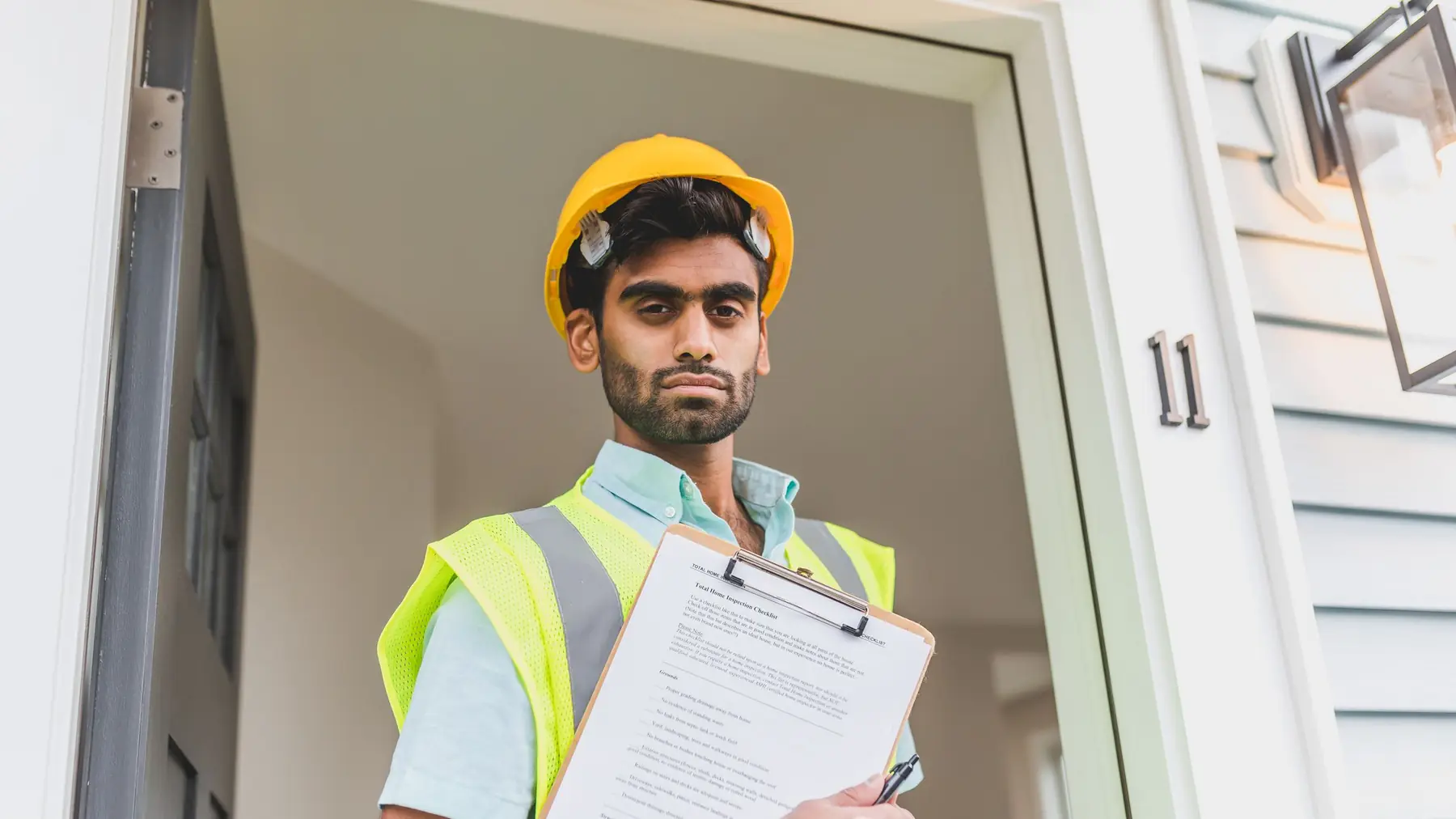
All licensing guides
Every licensing guide for plumbers, electricians and HVAC contractors.
Licensing guides
Licensing guides
Licensing guides for Florida
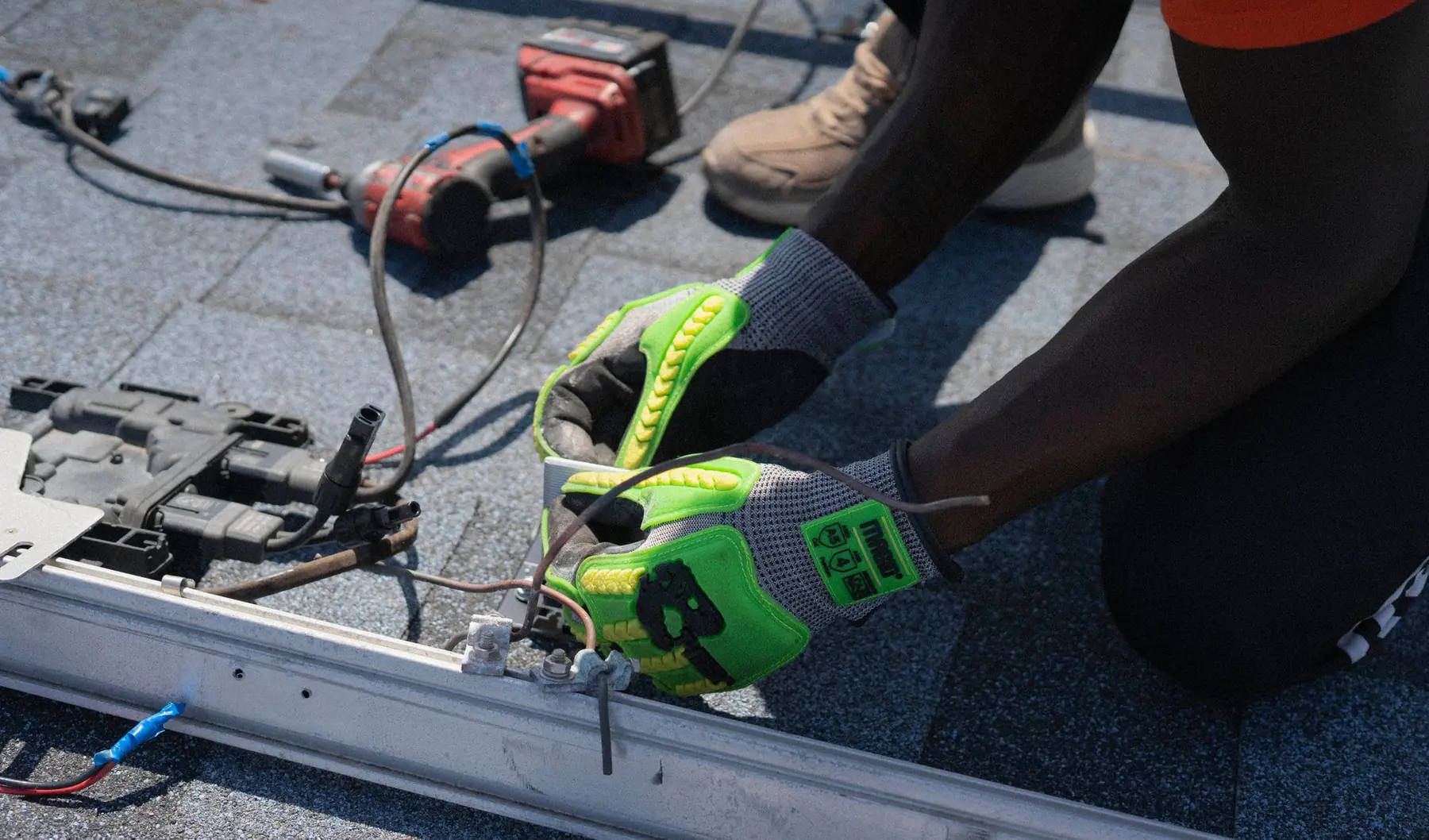
Florida electrical contractors license
Florida electrical contractor license in 2026: certified vs registered, ECLB experience routes, the two-part exam, statutory fee caps and insurance rules.
Read the guide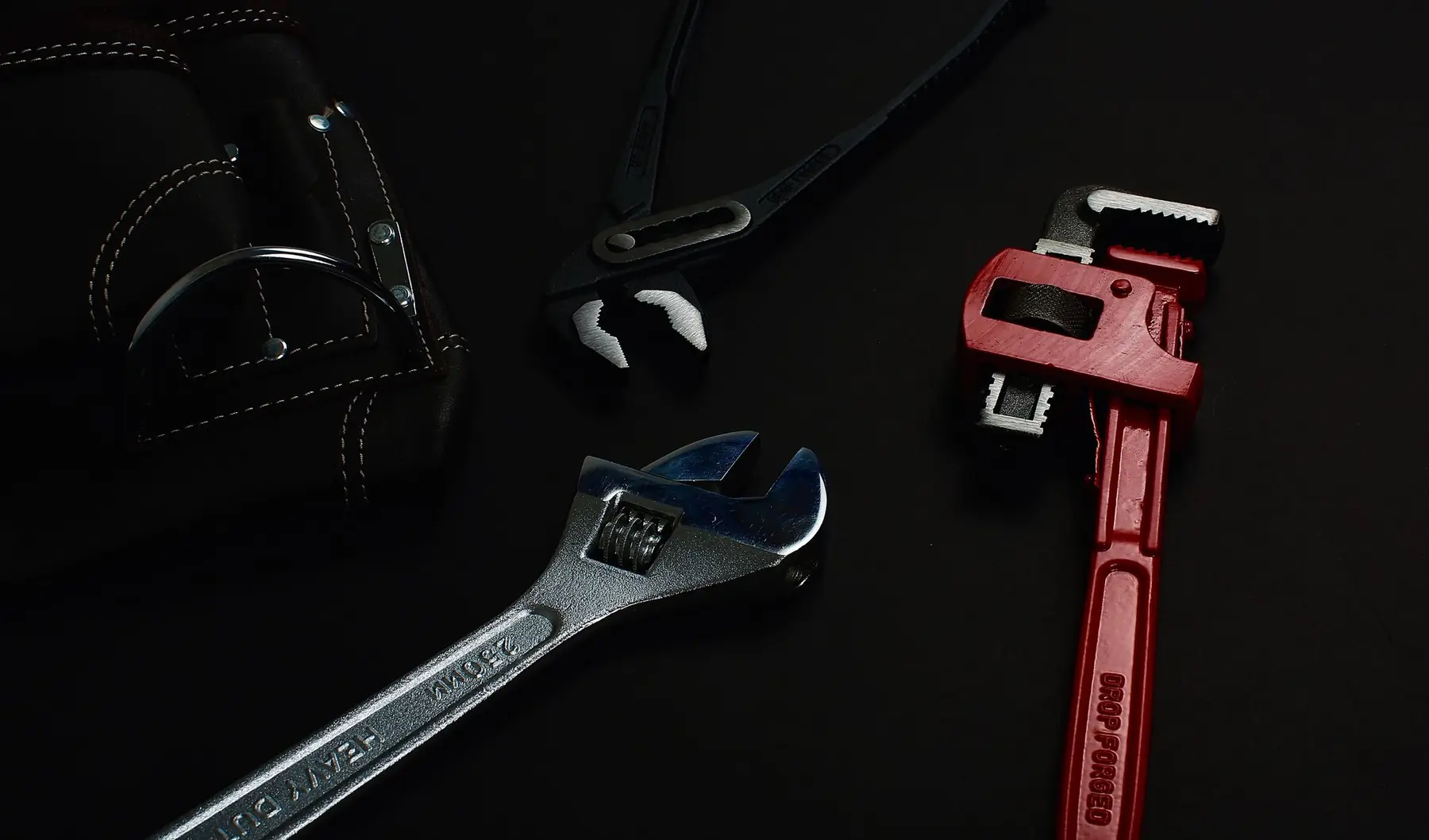
Florida plumbing license
Florida plumbing contractor license in 2026: certified vs registered, CILB experience routes, statutory fee caps, insurance, renewal and journeyman rules.
Read the guide
Florida HVAC license
Florida HVAC contractor license in 2026: Class A, B and C air-conditioning vs mechanical, CILB experience routes, fee caps, insurance and renewal.
Read the guide
Sources
Official sources
Sources for Florida
- Florida DBPR: Construction Industry Licensing Board (opens in a new tab)Accessed
- Florida DBPR: Electrical Contractors' Licensing Board (opens in a new tab)Accessed
- Florida Statutes 2026, s. 489.105 (definitions) (opens in a new tab)Accessed
- Florida Statutes 2026, s. 489.107 (Construction Industry Licensing Board) (opens in a new tab)Accessed
- Florida Statutes 2026, s. 489.113 (qualifications for practice) (opens in a new tab)Accessed
- Florida Statutes 2026, s. 489.128 (unlicensed contractors) (opens in a new tab)Accessed
- Florida Statutes 2026, s. 489.505 (electrical definitions) (opens in a new tab)Accessed
- Florida Statutes 2026, s. 489.507 (Electrical Contractors' Licensing Board) (opens in a new tab)Accessed
- Florida Statutes 2026, s. 489.531 (prohibitions; penalties) (opens in a new tab)Accessed
- US EPA: Section 608 Technician Certification (opens in a new tab)Accessed
Apply as a founding partner in Florida
No monthly fee. No pay-per-lead. Commission on closed jobs only.
Last reviewed: