
Kitchen & Bathroom Manufacturer Marketing UK

Kitchen and bathroom manufacturers sell through retailers, showrooms, designers, and developers — not directly to the homeowner choosing a worktop. This guide covers B2B demand generation for UK KB manufacturers: retailer and showroom enablement, designer and specifier relationships, KBSA credibility, the kbb Birmingham show, visual catalogues and rendering, LinkedIn, sample programmes, and the account-based marketing that builds durable trade partnerships.
A kitchen or bathroom manufacturer is not the business a homeowner walks into to choose a worktop. That is the retailer or showroom. The manufacturer sits one step back in the chain, selling ranges and components to those showrooms, to the designers who specify them, and to the developers who fit them out by the hundred. The homeowner never sees your invoice — but they fall in love with your product on a showroom floor.
That structure changes the marketing entirely. There is no Local Pack, no emergency call, no homeowner enquiry to chase. Instead there is a channel of trade buyers — independent specialists, national retailers, kitchen and bathroom designers, and housebuilders — who choose suppliers on product quality, margin, lead times, display support, and the strength of the visual assets you give them to sell with. Win their preference and you win years of repeat orders.
This guide covers B2B demand generation and channel enablement for kitchen and bathroom manufacturers, in priority order, ending with a 90-day action plan. It shares its template with our marketing for window manufacturers guide.
Why Most KB Manufacturer Marketing Fails
The most common mistake is marketing as if the homeowner were the customer, pouring budget into consumer ads when the actual buyer is the showroom. The second is supplying a thin, disorganised set of visual assets and then wondering why retailers favour better-supported brands.
Before scaling any spend, three things must be true:
- Your visual catalogue — lifestyle photography, room sets, swatches, renders — is rich, current, and easy for retailers and designers to use.
- Your channel enablement makes it low-risk and rewarding for a showroom to display and sell your range.
- Your credibility and reliability — quality, lead times, KBSA-grade standards — are visible to the trade.
Everything else builds on that foundation.

1. Retailer and Showroom Enablement
The highest-leverage marketing a KB manufacturer can do is making its retailers more effective at selling its ranges. Independent showrooms have limited display space and back the suppliers who help them sell.
What to give your retail channel
- Display support: room-set funding, point-of-sale material, finish swatches, and door samples that make your range look its best on the floor.
- Designer training: product knowledge sessions so showroom designers specify your ranges with confidence.
- Co-branded assets: brochures and lookbooks the retailer can present as part of their own offer.
- Lead-time and stock transparency: nothing erodes a retailer relationship faster than surprises on delivery; reliable information is a marketing asset in its own right.
- Footfall support: brand marketing and stockist locators that send interested homeowners towards the showrooms that display you.
Make it low-risk and high-reward to display your range. The KBSA members directory shows the kind of independent specialist channel worth supporting; aligning to the standards KBSA members expect helps you earn and keep showroom space.
2. Designer and Specifier Relationships
Kitchen and bathroom designers — in showrooms, in interior practices, and in developer fit-out teams — decide which ranges go into projects. Earning their preference seeds demand that flows for years.
How to win designer preference
- Make specification effortless: organised range data, finishes, dimensions, and CAD where relevant.
- Keep them inspired: new-range previews, finish trends, and room-set imagery they can show clients.
- Reward loyalty: designer programmes, early access to launches, and responsive technical support.
- Be reliable: a designer's reputation rests on delivery; consistent lead times keep you specified.
Developer and contract relationships work similarly but at volume: housebuilders and fit-out contractors value standardised ranges, dependable supply, and clear commercial terms. A single developer framework can underpin a large slice of capacity.
3. Visual Catalogues, Photography, and Rendering
Kitchens and bathrooms are bought on aspiration, which makes visual content central rather than decorative. Your retailers, designers, and their customers are all selling and buying a feeling of a finished space.
The visual asset library
- Lifestyle and room-set photography: professionally styled images of your ranges in beautiful, realistic spaces.
- Finish and material swatches: accurate, well-photographed representations of every door, worktop, and tap finish.
- Photorealistic renders and configurators: increasingly expected, letting designers and customers visualise combinations before ordering.
- Detail and craftsmanship shots: close-ups that communicate quality where it is decided — the soft-close, the joint, the finish.
A manufacturer that supplies a rich, well-organised, downloadable visual catalogue makes itself easy to display, specify, and sell. This is also where trust is built; our guide to social proof and trust for trades explains how proof and presentation reinforce each other.
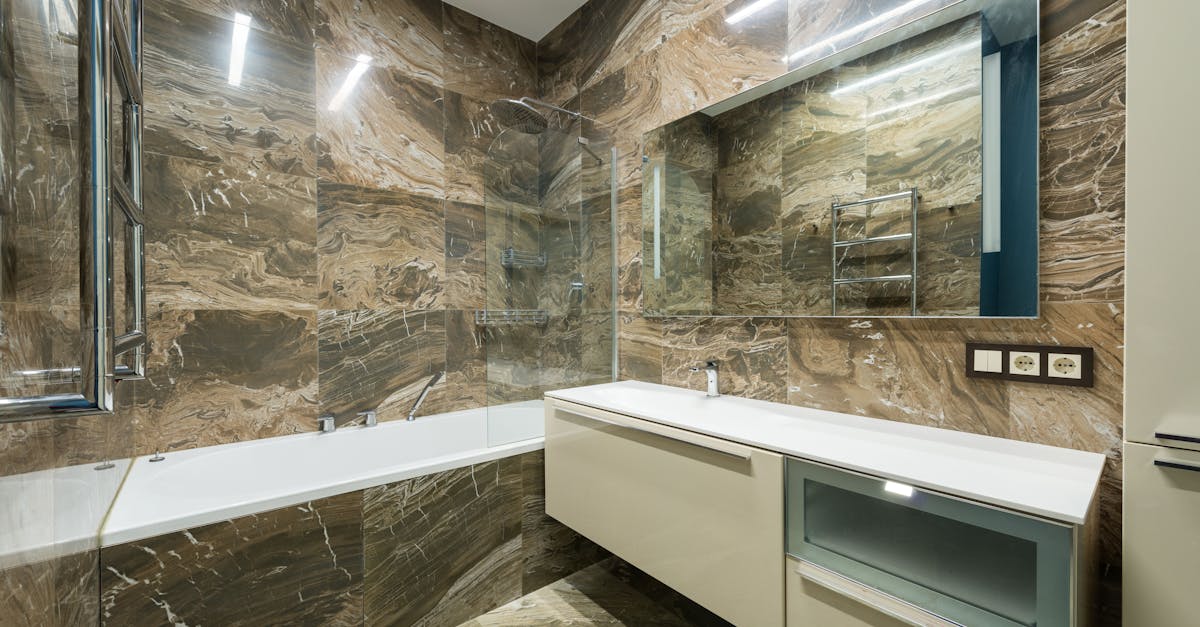
4. Credibility Signals: KBSA, Quality, and Reliability
Trade buyers de-risk their supplier choices, so visible credibility shortens the sales cycle and protects your margin.
Publish and demonstrate these
- Standards alignment: meeting the quality and service expectations of KBSA-grade independent specialists signals you are a serious trade partner.
- Product certifications and warranties: third-party quality marks and generous warranties reassure both retailer and homeowner.
- Lead-time and supply reliability: case studies and transparent capacity information reassure buyers planning installations and projects.
- Sustainability credentials: increasingly important to developers and design-led retailers; document them clearly.
These belong on your trade pages, in your catalogue, and in your channel materials. Evidence beats adjectives.
5. Trade SEO and Brand Demand
KB manufacturer SEO has two layers: trade-facing pages that win buyers, and consumer-facing inspiration that pulls demand towards your stockists.
| Layer | Audience | Example queries | Content that wins it |
|---|---|---|---|
| Trade SEO | Retailers, designers, developers | "kitchen manufacturer trade supplier", "rigid units wholesale", "bathroom furniture supplier [region]" | Trade range pages, finish libraries, commercial terms |
| Brand demand | Homeowners researching | "[range] kitchen", "[finish] handleless kitchen ideas" | Inspiration galleries, stockist locator |
Useful trade pages attract the buyers who place repeat orders, while inspiration content builds brand pull that benefits your whole channel. Mark up your pages with structured data so search engines and AI tools parse them; see schema and structured data for trades and, because buyers increasingly use AI research, how generative AI chooses which sources to cite. For the wider picture, see our visibility pillar.
6. The kbb Birmingham Show and LinkedIn
Two channels carry most of the KB trade conversation: the dedicated show and LinkedIn.
kbb Birmingham
kbb Birmingham is the UK's largest dedicated kitchen, bedroom, and bathroom trade event and the focal point of the trade calendar. A striking room-set stand draws retailers, designers, and developers — but the accounts are signed afterwards.
- Set targets for qualified conversations and new accounts, not footfall.
- Capture every lead systematically, with notes on fit and need.
- Showcase your best room sets and newest ranges.
- Plan the follow-up sequence before the doors open.
Our guide to lead follow-up for trades businesses is what turns a stand into signed accounts.
LinkedIn reaches showroom owners, designers, and developer buyers in a professional context. Publish range launches, room-set imagery, designer programme news, and supply-reliability proof. Targeted advertising can reach specific company types and roles, suiting the account-based approach below.

7. Sample Programmes and Account-Based Marketing
Because a single showroom group, design practice, or developer can be worth years of repeat orders, market to named accounts rather than a faceless market.
A practical approach
- Identify the accounts that matter: the showroom groups, design practices, and developers whose volume would move your numbers.
- Tailor the offer: display support, designer training, margin, and lead-time guarantees relevant to each.
- Run a strong sample programme: door, finish, and worktop samples that let designers and their customers commit with confidence and lower the barrier to a first order.
- Combine email and LinkedIn: a value-led programme of new ranges, finish trends, and case studies keeps you front of mind between orders.
A modest CRM keeps these relationships organised so no priority account goes quiet. See the operations pillar for the supporting systems.
8. Measuring What Matters
Measure the metrics that map to channel revenue, not consumer vanity numbers.
| Metric | Why it matters |
|---|---|
| New showroom and retailer accounts | Direct measure of channel growth |
| Display placements won | Showroom-floor space is the point of sale |
| Designer specifications | Demand seeded into live projects |
| Reorder rate and active accounts | Loyalty and lifetime value |
| Sample requests and catalogue downloads | Leading indicators of trade interest |
Channel Priority and ROI Summary
| Channel | Buyer reached | Typical effort | Time to ROI |
|---|---|---|---|
| Retailer/showroom enablement | Independent and national retailers | Medium-high setup | 1-3 months |
| Designer relationships | Showroom and practice designers | Ongoing | 2-6 months |
| Visual catalogue and rendering | Retailers, designers, customers | High setup | 2-6 months |
| KBSA-grade credibility | All trade buyers | Standards + publishing | Ongoing |
| Trade SEO + brand demand | Trade and homeowners | High setup, low upkeep | 3-9 months |
| kbb Birmingham + LinkedIn | Retailers, designers, developers | High, periodic / ongoing | 1-6 months |
| Account-based + samples | Priority accounts | Ongoing | 2-6 months |
90-Day Action Plan
| Week | Action |
|---|---|
| 1 | Audit your visual catalogue; identify gaps in room sets, swatches, and renders |
| 2 | Commission lifestyle photography for your priority ranges |
| 3 | Build a downloadable trade asset library for retailers and designers |
| 4 | Define a display-support package: room-set funding, POS, swatches |
| 5 | Launch a designer training and programme offer |
| 6 | Create trade-facing range pages with clear commercial terms and structured data |
| 7 | Build an account list of priority showroom groups, practices, and developers |
| 8 | Launch a LinkedIn calendar of range launches and room-set content |
| 9 | Plan your kbb Birmingham presence with targets and a follow-up sequence |
| 10 | Strengthen your sample programme to lower the first-order barrier |
| 11 | Implement a CRM to manage accounts and specification opportunities |
| 12 | Review channel metrics: new accounts, displays, specifications; adjust focus |
Where to Go Next
This guide covers B2B demand generation and channel enablement for a UK kitchen and bathroom manufacturer. Dive deeper:
- Marketing for window manufacturers
- Social proof and trust for trades
- Lead follow-up for trades businesses
- Schema and structured data for trades
- Traditional agency vs AI agency
- Kitchen and bathroom manufacturers trade hub
- Visibility — get found online
- Conversion — turn enquiries into orders
- Operations — run a smoother business
- All blog articles
We answer before we start
Q/01How is marketing a kitchen or bathroom manufacturer different from a retailer?
A retailer or showroom sells finished kitchens and bathrooms to homeowners and competes on design, display, and local reputation. A manufacturer sells ranges, units, and components to those retailers, to designers, and to developers, and competes on product quality, margin, lead times, display support, and visual assets. The marketing job is channel enablement and demand generation: helping retailers sell your ranges, getting designers to specify them, and earning shelf and showroom space.
Sources & resourcesQ/02What is the KBSA and does it matter for a manufacturer?
The Kitchen Bathroom Bedroom Specialists Association is the UK's leading body for independent kitchen, bathroom, and bedroom retailers, with several hundred member retailers who follow an approved Code of Practice. For a manufacturer, KBSA members are exactly the independent specialist channel you want to supply. Aligning your brand, display support, and quality with the standards KBSA members expect helps you win and retain space in their showrooms.
Sources & resourcesQ/03Why are visual assets so important for KB manufacturers?
Kitchens and bathrooms are bought on aspiration. The homeowner is buying a feeling of a finished space, which means your retailers, designers, and their customers need outstanding visual assets: lifestyle photography, room-set imagery, swatches, and increasingly photorealistic renders and configurators. A manufacturer that supplies a rich, well-organised visual catalogue makes itself easy to display, specify, and sell — which is why visual content is central rather than decorative for this sector.
Sources & resourcesQ/04Is the kbb Birmingham show worth attending?
kbb Birmingham is the UK's largest dedicated kitchen, bedroom, and bathroom trade event, and for many manufacturers it is the focal point of the trade calendar for meeting retailers, designers, and developers. The return depends on preparation and follow-up: a striking room-set stand draws conversations, but the accounts are signed in the weeks after the show through disciplined nurture. Set account and conversation targets, capture leads systematically, and plan the follow-up before you arrive.
Sources & resourcesQ/05Should a kitchen or bathroom manufacturer do SEO?
Yes, but trade- and designer-focused SEO rather than consumer local SEO. Retailers and designers search for 'kitchen manufacturer trade supplier', 'rigid kitchen units wholesale', 'bathroom furniture supplier [region]', and for finishes, ranges, and lead times. Useful trade-facing range pages, finish libraries, and clear commercial terms attract the buyers who place repeat orders. Consumer-facing inspiration content can also seed brand demand that pulls customers towards your stockists.
Sources & resourcesQ/06How do I win space in independent showrooms?
Independent kitchen and bathroom showrooms have limited display space and choose ranges that sell and that the manufacturer supports well. Win space by offering strong display support (room-set funding, point-of-sale, swatches), generous and well-presented visual assets, reliable lead times, healthy margin, and designer training. Make it low-risk and high-reward for a showroom to display your range, and back it with marketing that drives footfall towards your stockists.
Sources & resources

