Lead Follow-Up for Home Service Businesses

Most home-service leads are won or lost in the first hour. Harvard Business Review research found that contacting a web lead within five minutes makes you dramatically more likely to qualify it than waiting even 30 minutes. A reliable follow-up system has three layers: speed-to-lead (respond in minutes, not hours), a multi-touch cadence across call, text, and email over days, and a win-back sequence for dead leads. CRM automation enforces all three so nothing slips through, even when the crew is on a job.
A homeowner with a flooded laundry room does not fill out one form and wait. They fill out three, call two more numbers, and hire whoever responds first and sounds competent. By the time a contractor returns the call two hours later, the job is already booked with someone else. The lead was never lost to a competitor's marketing. It was lost to their phone.
This is the uncomfortable truth of lead follow-up: the marketing that generated the lead is often the cheap part. The expensive part is the gap between when a customer raises their hand and when you respond. Harvard Business Review's landmark study The Short Life of Online Sales Leads, based on more than 100,000 leads across 2,241 US companies, found that responding within five minutes versus thirty dramatically changed the odds of ever qualifying a lead — and that waiting an hour instead of a day made qualification dozens of times more likely.
A real follow-up system has three layers: speed (respond in minutes), cadence (follow up many times across channels), and win-back (revive the leads that went cold). This guide builds all three, then shows how CRM automation enforces them. It extends our deep dive on the 5-minute rule and connects directly to the conversion pillar.
Layer 1: Speed-to-Lead
Speed is the single highest-leverage variable in follow-up. The HBR research is unambiguous: the firms that contacted leads fastest qualified far more of them. The mechanism is simple. A lead is hottest the instant it is created — the customer is at their desk or on their phone, the problem is front of mind, and they have not yet talked to a competitor.
What "fast" means in practice
- Inbound call: answer it live. A ringing phone that goes unanswered is the most expensive miss of all, as we quantify in the real cost of missed calls for contractors.
- Web form or chat: respond within five minutes. An automated text or email acknowledgment followed by a human within minutes.
- Missed call: fire an automatic text-back immediately ("Sorry we missed you — this is Brand Plumbing. What's going on and where are you located?").

The contractor's objection is always the same: "We're on jobs, we can't drop everything." Correct. That is why speed-to-lead is an automation problem, not a discipline problem. The text-back fires whether the owner is under a sink or on a roof. The human follow-up happens at the first safe break. You are not asking people to be faster; you are building a system that is fast by default.
Layer 2: The Multi-Touch Cadence
Speed wins the first contact. Cadence wins everything after. Most contractors quit after one or two attempts, which means they pay for leads and then abandon the ones that do not pick up on the first ring. A structured cadence keeps working the lead across channels until they convert or clearly opt out.
A workable two-week cadence
| Day | Channel | Purpose |
|---|---|---|
| 0 (within 5 min) | Call + text | Immediate contact attempt |
| 0 (same day) | Confirm receipt, set expectations | |
| 1 | Call | Second live attempt at a different time of day |
| 2 | Text | Light check-in, easy to reply to |
| 4 | Call + voicemail | Leave a specific, helpful voicemail |
| 7 | Value-add: what to expect, relevant proof | |
| 11 | Text | "Still looking? Happy to help." |
| 14 | Call | Final active attempt, then move to nurture |
The variety matters. Some people never answer unknown calls but reply to texts instantly. Others ignore texts but pick up the phone. Rotating channels and times of day catches more of them than hammering one channel.
Voicemail that earns a callback
A generic "call me back" voicemail is ignored. A good one is short and specific: who you are, that you saw their request for the exact service, one concrete next step, and your direct number twice. Some teams use voicemail drop — a pre-recorded message dropped straight to voicemail — to keep this consistent at volume without tying up a person.

Layer 3: Win-Back of Dead Leads
A "dead" lead is rarely a hard no. It is usually a lead that stalled — the customer got busy, put off the repair, or shelved a remodel. Those leads already cost you money to generate. A win-back sequence recovers a share of them for almost nothing.
A light-touch win-back sequence
- Week 2 check-in: "Hi — circling back on your water heater. Still want a hand with it?"
- Week 5 value-add: a genuinely useful seasonal tip or maintenance reminder, no hard sell.
- Month 2 soft offer or close-out: "We're updating our schedule. Are you still looking, or should we close this out?"
The tone is helpful, not desperate. Because the alternative is paying again to acquire a brand-new lead, even a modest win-back rate meaningfully lowers your blended cost per booked job. Pricing and proposal clarity help here too — a stalled estimate often revives when the quote is easy to say yes to, which we cover in quotes that win more jobs.
SMS and Text-Back: The Highest-Leverage Channel
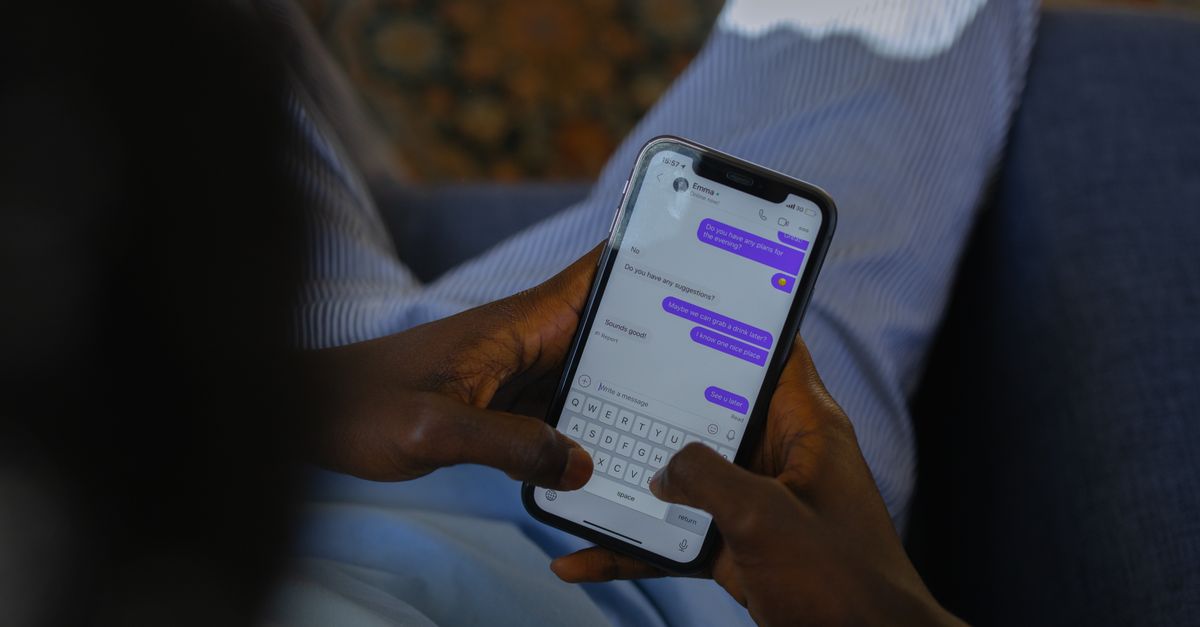
Texting deserves its own section because, for home services, it is frequently the channel that converts. Texts get opened and answered when calls go to voicemail and emails sit unread. The single best automation a contractor can deploy is the missed-call text-back: the instant a call is missed, the system texts the caller to keep the conversation alive.
A few rules to keep it effective and compliant:
- Identify your business in the first message.
- Keep it short and ask one easy question.
- Honor opt-outs immediately and follow US texting regulations (TCPA) — get consent and provide a clear way to stop.
- Route replies to a human fast; the point of speed is undone if the reply sits.
Done right, text-back converts your single biggest leak — unanswered calls — into booked jobs.
CRM Automation: The Enforcement Layer
Everything above fails the moment it depends on a busy person remembering to do it. The job of a CRM or field-service platform is to make the system run on its own.
| Capability | What it automates |
|---|---|
| Missed-call text-back | Instant SMS when a call is not answered |
| Lead routing | New leads pushed to the right person immediately |
| Cadence sequences | The two-week multi-touch plan, scheduled and tracked |
| Reminders and tasks | Nudges so no follow-up is forgotten |
| Win-back workflows | Automatic re-engagement of stalled leads |
| Reporting | Response times and conversion by source |
Platforms commonly used in US home services include ServiceTitan, Housecall Pro, and Jobber. The right choice depends on your size and trade — we compare them in ServiceTitan vs Housecall Pro vs Jobber and explain the foundations in our CRM for home service businesses guide.
The point is not the brand. It is that automation converts good intentions into a reliable process. A documented, automated cadence beats the most well-meaning "we'll get back to them" every single time.
Measuring What Matters
Track a small set of numbers and the system improves itself:
- Speed-to-first-response, by lead source. If it is creeping past a few minutes, fix the automation.
- Contact rate: what share of leads you actually reach.
- Touches-to-conversion: how many attempts the won jobs took (usually more than you think).
- Win-back rate: what share of dead leads you revive.
- Cost per booked job, blended across new and recovered leads.
These tie directly back to your ad spend. A faster, more persistent follow-up system lowers the cost of every channel feeding it, including Google Ads.
Conclusion
Lead follow-up is not a personality trait or a matter of hustle. It is a system with three layers: respond in minutes, follow up many times across channels, and revive the leads that went cold. The HBR evidence is clear that speed alone separates the businesses that qualify leads from the ones that watch them leak away.
Build the speed layer with missed-call text-back, the cadence layer with a documented two-week sequence, and the win-back layer with a light re-engagement flow — then hand all three to a CRM so they run without anyone remembering to. Continue with the 5-minute rule, the CRM guide, the real cost of missed calls, social proof and trust for home services, the conversion pillar, and the full blog.
We answer before we start
Q/01How fast do I really need to respond to a new lead?
Within five minutes whenever possible. The Harvard Business Review study "The Short Life of Online Sales Leads" (Oldroyd, McElheran, and Elkington, 2011), based on over 100,000 leads across 2,241 US companies, found that firms contacting a lead within five minutes were far more likely to qualify it than those waiting 30 minutes, and that attempting contact within an hour made qualification roughly seven times more likely than waiting just one more hour, and over 60 times more likely than waiting 24 hours. For home services, where customers often have an urgent problem and are calling several providers, the first business to respond frequently wins by default.
Sources & resourcesQ/02How many times should I follow up before giving up on a lead?
More than most contractors do. Many businesses stop after one or two attempts, yet a meaningful share of leads convert only after several touches. A practical cadence is six to eight touches over roughly two weeks, mixing phone, text, and email, then moving the lead into a slower long-term nurture rather than dropping it entirely. The exact number is less important than consistency: a documented, automated cadence beats relying on whoever remembers to call back. Stop only when the lead explicitly opts out or the job is clearly no longer relevant.
Sources & resourcesQ/03Is texting an effective way to follow up with home-service leads?
Yes, and for many customers it is now preferred. SMS open rates are very high compared with email, and a quick text often gets a reply when a call goes to voicemail. An automated "text-back" that fires the moment a call is missed is one of the highest-leverage automations a contractor can run, because it converts a missed call into a live conversation instead of a lost lead. Always honor opt-outs and follow US texting regulations (TCPA), keep messages concise, and identify your business in the first message.
Sources & resourcesQ/04What should a win-back sequence for a dead lead look like?
A win-back sequence re-engages leads that went cold without a clear "no." A simple version: a check-in message a week or two after the lead stalls, a value-add touch a few weeks later (a maintenance tip, a seasonal reminder), and a final offer or simple "are you still looking?" message a month or two out. Keep it light and helpful, not pushy. Because acquiring a fresh lead costs money you already spent on the dead one, even a modest win-back rate improves your overall cost per booked job materially.
Sources & resourcesQ/05Do I need a CRM to run good lead follow-up, or can I do it manually?
You can start manually, but you will not sustain it manually. The whole problem with follow-up is that contractors are on jobs, hands full, when leads come in. A CRM or field-service platform (such as ServiceTitan, Housecall Pro, or Jobber) automates the cadence: instant text-back on a missed call, scheduled follow-up reminders, and templated sequences that run whether or not anyone remembers. Automation turns "we'll call them back when we get a chance" into a reliable system. Manual follow-up is where good leads quietly die.
Sources & resources